Elbow injury care after a car accident

Medically reviewed by: Christopher P. Dougherty, DO, FAOAO, FAAOS, CAQSM | Board Certified Orthopedic Surgeon | July, 2026

Elbow pain after a car accident shouldn’t be ignored. Even a seemingly minor collision can place significant stress on the elbow joint, bones, ligaments, tendons, muscles, and surrounding nerves, resulting in injuries that may not become apparent for hours or even days.

According to the Cleveland Clinic, the elbow is a complex joint that allows you to bend, straighten, and rotate your arm. Because several bones, muscles, tendons, ligaments, and nerves work together at the elbow, injuries can affect both movement and everyday function after an accident.

That complexity also means it’s not always obvious which part of the elbow has been injured without a thorough evaluation. Prompt diagnosis can help identify the source of your pain and ensure you receive the right treatment before symptoms become more severe.

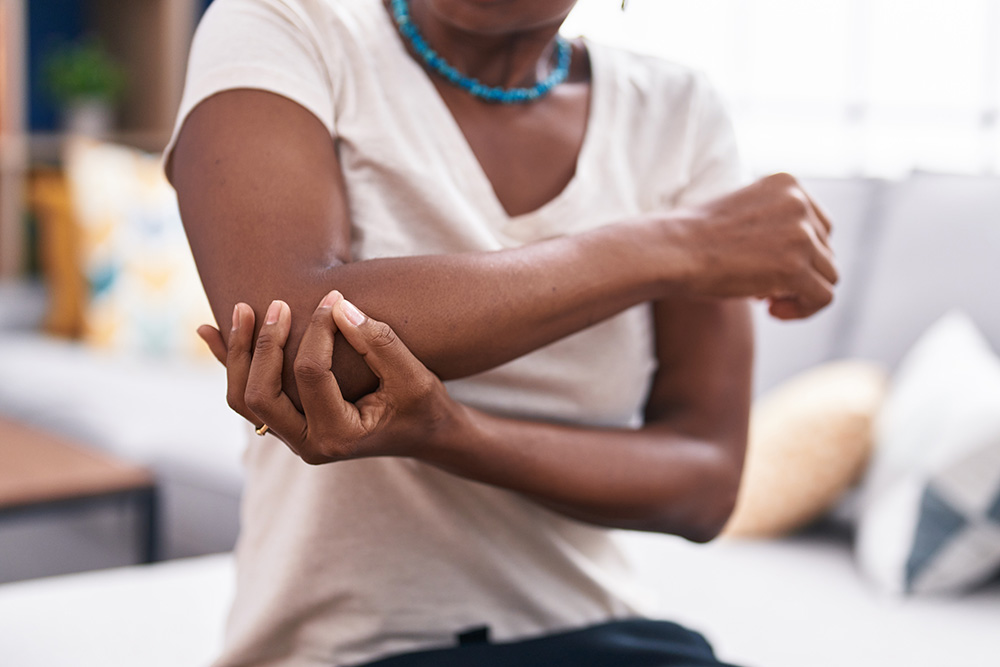
Woman holding elbow in pain

What causes elbow injuries in car accidents?

Elbow injuries commonly occur during car accidents when the force of a collision places sudden stress on the elbow joint and surrounding soft tissues.

Drivers and passengers often instinctively brace for impact by extending their arms against the steering wheel, dashboard, center console, or vehicle door, increasing the risk of injury.

The elbow can also be injured by direct impact during a collision or by twisting forces transmitted through the arm as the body is thrown forward or sideways. These forces may damage the bones, ligaments, tendons, muscles, or nerves that help stabilize and move the joint.

Slip-and-fall accidents are another common cause of elbow injuries. Landing directly on the elbow or falling onto an outstretched hand can result in dislocations, ligament injuries, or damage to nearby nerves.

If you’re experiencing persistent elbow pain after an auto accident, it’s important to seek medical evaluation promptly.

For patients injured in a Florida auto accident, receiving an initial medical evaluation within 14 days may also help preserve eligibility for Personal Injury Protection (PIP) benefits.

What are the symptoms of an elbow injury after an accident?

An elbow injury can make it difficult to bend or straighten your arm, grip objects, lift everyday items, or perform routine activities like getting dressed or driving.

While some symptoms appear immediately after an accident, others may develop gradually as swelling and inflammation increase.

Common symptoms of an elbow injury include:

  • Elbow pain that worsens with movement
  • Swelling around the elbow
  • Bruising or tenderness
  • Stiffness or reduced range of motion
  • Difficulty bending or straightening the arm
  • Weakness when lifting or gripping objects
  • A feeling that the elbow is unstable
  • Clicking or popping during movement

The symptoms you experience often depend on the specific type of elbow injury you’ve sustained.

Common elbow injuries after a car accident

Elbow injuries range from mild sprains to more serious damage involving the bones, ligaments, tendons, muscles, or nerves that support the joint.

Elbow dislocations

An elbow dislocation occurs when the bones that form the joint are forced out of their normal position. This type of injury often results from high-impact collisions or falls and requires prompt medical attention.

Symptoms may include:

  • Severe pain
  • Noticeable deformity
  • Swelling
  • Limited or complete loss of elbow movement
  • Numbness or tingling if nearby nerves are affected

Ligament and tendon injuries

The ligaments and tendons surrounding the elbow provide stability while allowing the joint to move normally. During a car accident, these soft tissues can become stretched, sprained, or torn.

Symptoms may include:

  • Pain with movement
  • Swelling
  • Joint instability
  • Weakness when lifting or gripping objects
  • Reduced range of motion

Nerve injuries and other elbow conditions

Trauma to the elbow can also injure nearby nerves or irritate the soft tissues that surround the joint. Depending on the force of the accident, you may experience:

  • Ulnar, radial, or median nerve injuries
  • Elbow sprains and strains
  • Tendon inflammation (tendinitis)
  • Olecranon bursitis
  • Cartilage injuries

Nerve injuries may cause numbness, tingling, weakness, or changes in sensation that extend into the forearm, hand, or fingers. Identifying these symptoms early can help guide appropriate treatment and reduce the risk of long-term complications.

How is an elbow injury diagnosed?

Accurately diagnosing an elbow injury is the first step toward effective treatment.

Because many elbow injuries produce similar symptoms, a thorough evaluation can help determine which bones, ligaments, tendons, muscles, or nerves have been affected and whether additional testing is needed.

Your provider will begin by discussing your accident, symptoms, medical history, and the onset of your pain. They will also perform a physical examination to evaluate your range of motion, strength, joint stability, tenderness, swelling, and any signs of nerve involvement.

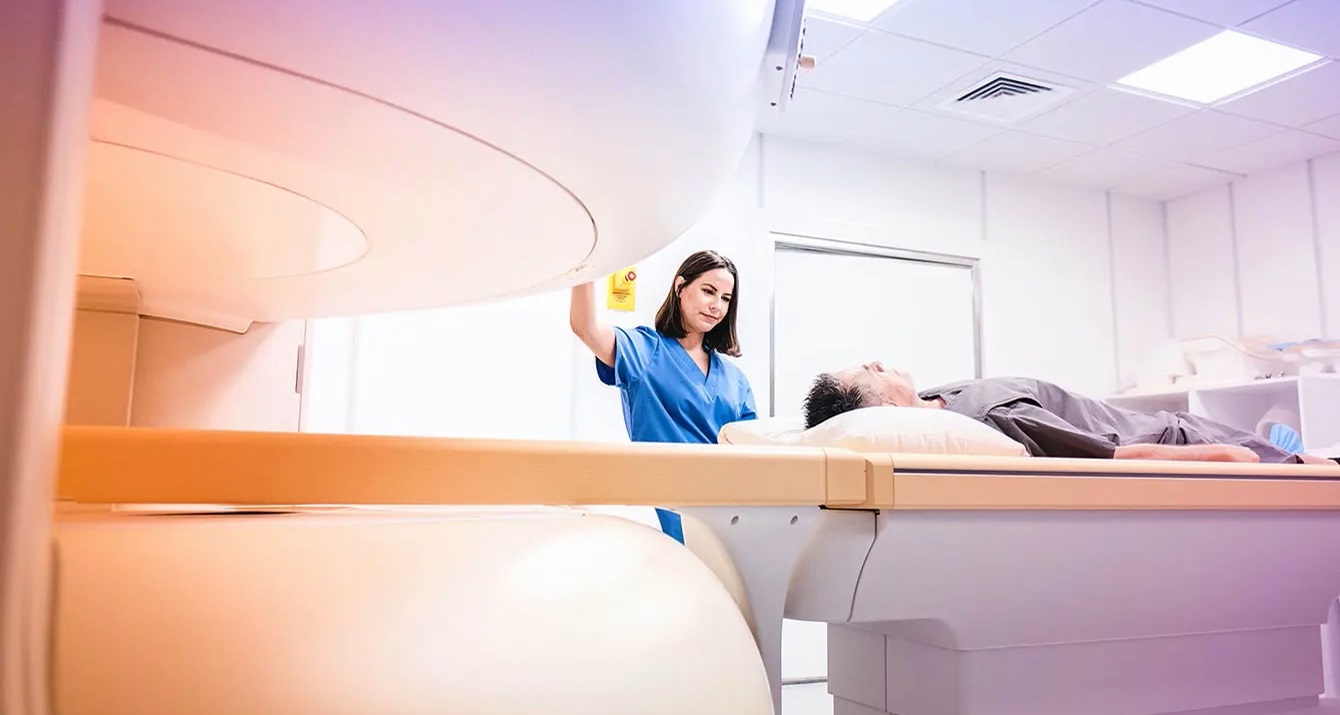
If a more serious injury is suspected, advanced diagnostic imaging may be recommended to confirm your diagnosis.

Depending on your symptoms and examination findings, your provider may recommend:

  • X-rays to identify elbow dislocations or fractures
  • MRI scans to evaluate ligaments, tendons, cartilage, muscles, and nerves

At Complete Care, our integrated approach allows providers to coordinate your evaluation and treatment, helping ensure your care plan is based on a clear and accurate diagnosis.

How is an elbow injury treated?

Treatment depends on the type and severity of your injury, as well as your symptoms and recovery goals.

Many elbow injuries can be treated without surgery, especially when care begins soon after an accident.

Your provider will develop a personalized treatment plan designed to reduce pain, restore mobility, improve elbow function, and help you safely return to your daily activities.

Non-surgical elbow injury treatment

Many patients improve with conservative treatment, which may include:

  • Activity modification to allow the elbow to heal
  • Ice or heat therapy to reduce pain and inflammation
  • Anti-inflammatory medications, when appropriate
  • Targeted rehabilitation exercises
  • Rehabilitation to improve strength, flexibility, and range of motion
  • Image-guided injections, when clinically appropriate, to reduce inflammation and improve comfort

Throughout your recovery, your care team will monitor your progress and adjust your treatment plan as needed.

When surgery may be needed

Some elbow injuries require surgical evaluation, particularly if there is significant structural damage or symptoms do not improve with conservative care.

Examples may include:

  • Unstable elbow dislocations
  • Complete ligament or tendon tears
  • Significant nerve injuries
  • Injuries that do not improve with nonsurgical treatment

If surgery is appropriate, Complete Care coordinates referrals and ongoing care so your treatment remains seamless before and after your procedure.

Our spine and orthopedics team works closely with your other providers to support every stage of recovery.

Why choose Complete Care for elbow injury care?

An elbow injury can make everyday tasks like lifting, carrying, reaching, and gripping unexpectedly difficult. At Complete Care, we look beyond your symptoms to identify the source of your pain and create a treatment plan tailored to your recovery.

With an integrated team of providers, advanced diagnostic imaging, and injury care and rehabilitation, we coordinate your care from diagnosis through recovery, making it easier to get the treatment you need after an auto accident or slip-and-fall accident.

When you choose Complete Care, you benefit from:

  • Same-day appointments at many locations
  • Comprehensive injury evaluations
  • Advanced diagnostic imaging
  • Personalized treatment plans
  • Coordinated multidisciplinary care
  • More than 30 convenient locations throughout Florida

If you’ve sustained an elbow injury, our goal is to help you regain strength, restore function, and get back to your daily routine with confidence.

Learn more about our comprehensive auto injury care and how our integrated approach supports your recovery.

Frequently asked questions

Recovery time depends on the type and severity of your injury.

Mild sprains or strains may improve within a few weeks, while fractures, ligament injuries, dislocations, and nerve damage can take several months to heal.

Your provider will recommend a treatment plan based on your diagnosis and monitor your progress throughout recovery.

Yes. It’s common for elbow pain to develop hours or even days after an accident. Adrenaline can temporarily mask pain, while swelling and inflammation often increase over time.

If you notice new pain, stiffness, swelling, or difficulty moving your arm after an accident, it’s important to schedule an evaluation.

No. Complete Care does not treat broken bones. If you suspect an elbow fracture, go to the nearest emergency room. If a fracture is identified during your evaluation at Complete Care, we will refer you to an appropriate specialist for treatment.

Not always. Your provider will perform a physical examination and determine whether diagnostic imaging is needed based on your symptoms and suspected injury.

X-rays are commonly used to identify fractures and dislocations, while MRI scans may be recommended to evaluate ligaments, tendons, cartilage, or other soft tissues.

If your elbow injury resulted from a Florida auto accident, Personal Injury Protection (PIP) may help cover medically necessary evaluation and treatment.

To qualify for PIP benefits, Florida law requires you to receive an initial medical evaluation within 14 days of the accident.

Find a Clinic Near You

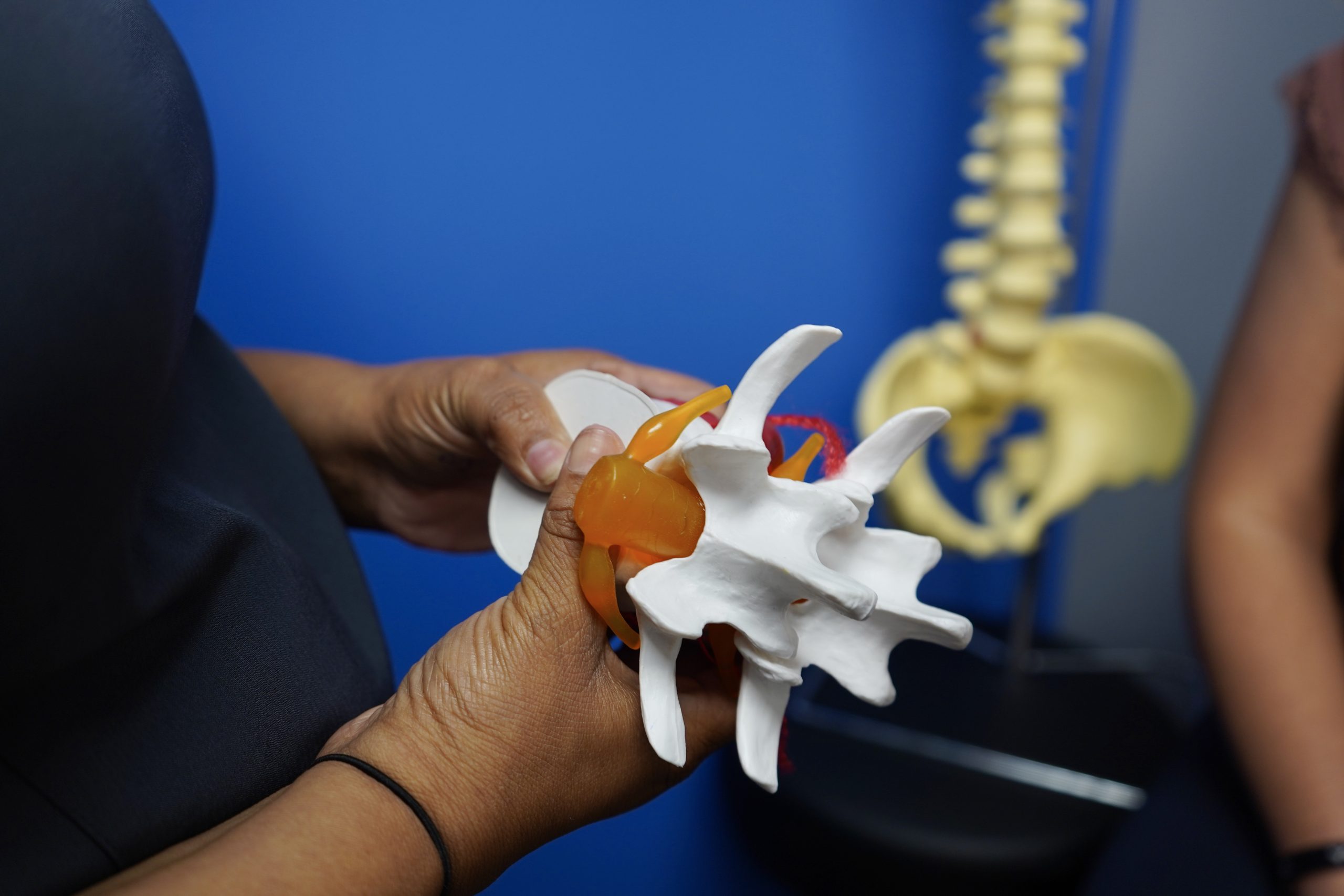
a chiropractor holding a model of a herniated disc
Get in Touch

Get care for your elbow injury today

Even a minor elbow injury can interfere with your ability to work, drive, exercise, and complete everyday tasks.

Getting evaluated early can help identify the cause of your symptoms and ensure you receive the treatment that’s right for your injury.

Because car accidents often affect more than one part of the upper extremity, we can also evaluate related injuries involving your shoulder, wrist, and hand as part of your personalized care.

With comprehensive evaluations, advanced diagnostic imaging, and coordinated treatment under one roof, Complete Care makes it easier to get the care you need after an auto accident or slip-and-fall accident.

With more than 30 locations throughout Florida and same-day appointments available at many offices, we’re here to help you move forward with confidence.