How are these injuries treated?
Treatment depends on the type and severity of your injuries, your symptoms, and how the accident has affected your ability to move and perform everyday activities.
The goal is to relieve pain, promote healing, restore function, and help you safely return to your normal routine.
Because pedestrian and bicycle accidents often involve multiple injuries, your care plan may include a combination of therapies tailored to your specific needs.
Orthopedic & soft tissue treatment
Many injuries can be treated with conservative, non-surgical care.
Depending on your diagnosis, your personalized treatment plan may include:
- Rest and activity modification
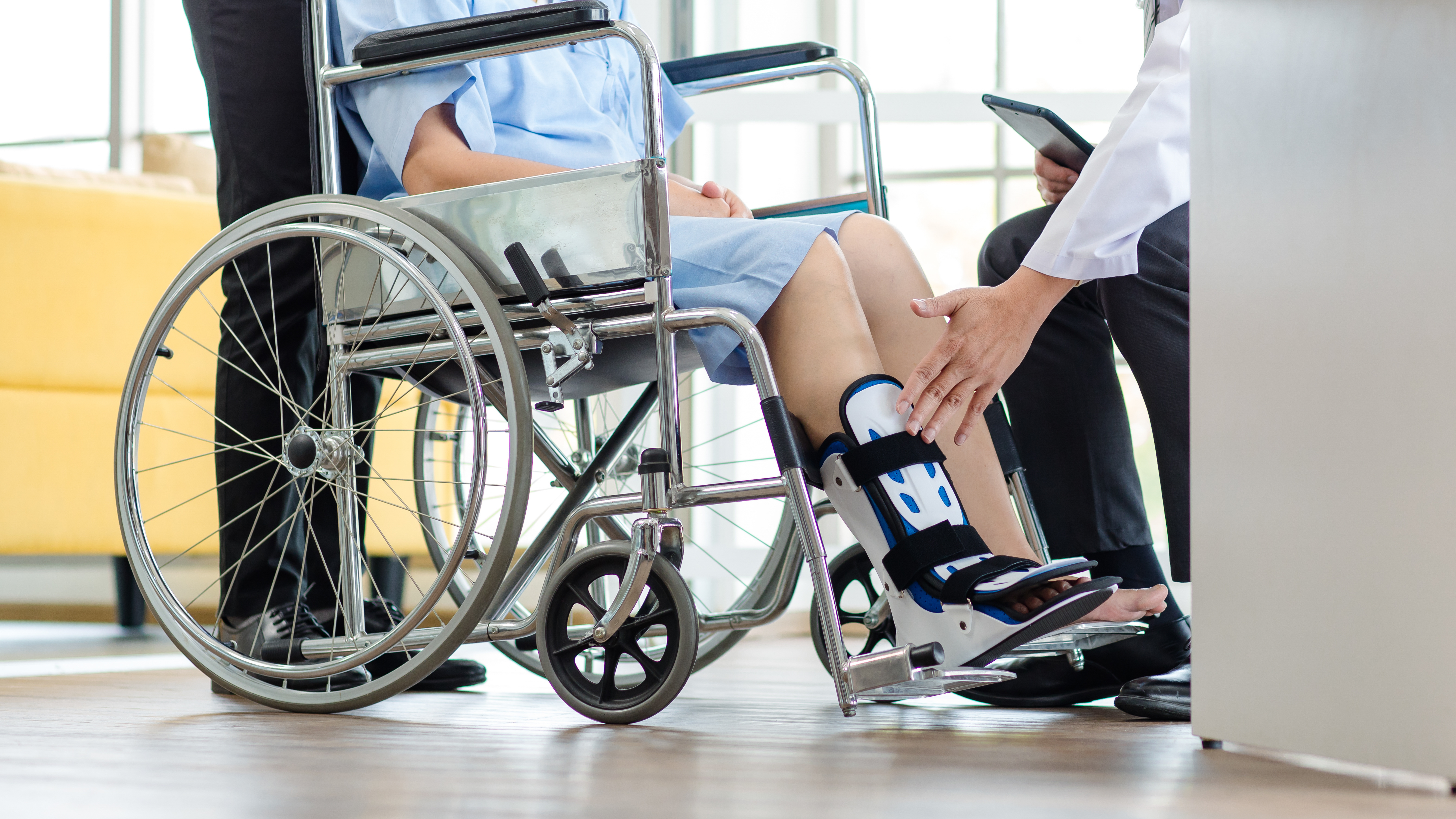
- Bracing or other supportive devices when appropriate
- Anti-inflammatory medications
- Injury care and rehabilitation to improve strength, flexibility, balance, and range of motion
- Chiropractic care to improve joint function and mobility when appropriate
- Pain management procedures, such as injections, when conservative treatment isn’t enough
Some injuries, including tendon ruptures or joint instability, may require evaluation by our spine and orthopedics team.
When needed, our providers coordinate your care to ensure you receive the right treatment at every stage of recovery.
Concussion & head injury care
Not every head injury causes immediate symptoms. Even if you didn’t lose consciousness, you may have sustained a concussion or another type of traumatic brain injury.
Symptoms such as headaches, dizziness, nausea, memory problems, sensitivity to light or noise, and difficulty concentrating should never be ignored after an accident.
Complete Care provides comprehensive concussion care, including evaluation, diagnosis, and personalized treatment recommendations to support your recovery and help reduce the risk of long-term complications.
Our integrated team works together to address every aspect of your injuries, ensuring your treatment plan is coordinated across the providers involved in your care.