Slip-and-fall accidents commonly cause sprains, strains, concussions, back and neck injuries, and other soft tissue injuries. Depending on how you land, multiple areas of the body may be injured simultaneously.

Medically reviewed by: Christopher P. Dougherty, DO, FAOAO, FAAOS, CAQSM | Board Certified Orthopedic Surgeon | July, 2026
A slip-and-fall accident can happen almost anywhere, including stores, restaurants, sidewalks, parking lots, and other public or private properties.
Even if you don’t feel seriously injured right away, a fall can cause head injuries, sprains, or other conditions that may become more noticeable as pain, swelling, and stiffness develop.
The Centers for Disease Control and Prevention (CDC) notes that falls are a common cause of traumatic brain injuries and fractures. Even if your symptoms seem minor at first, seeking prompt medical evaluation can help identify injuries before they become more serious.
If you’ve been injured in a slip-and-fall accident, Complete Care provides comprehensive evaluation and treatment as part of the many accident types we treat throughout Florida.
Medical emergency? If you’ve experienced severe bleeding, loss of consciousness, difficulty breathing, chest pain, or a suspected spinal injury, call 911 or go to the nearest emergency room immediately.

A slip-and-fall accident can place significant force on your bones, joints, muscles, ligaments, and head.
Because some symptoms don’t appear right away, it’s important to seek a medical evaluation even if you initially feel okay.
A blow to the head during a fall can cause a concussion or another traumatic brain injury, even without losing consciousness. Symptoms may not develop immediately, making early evaluation especially important.
Symptoms may include:
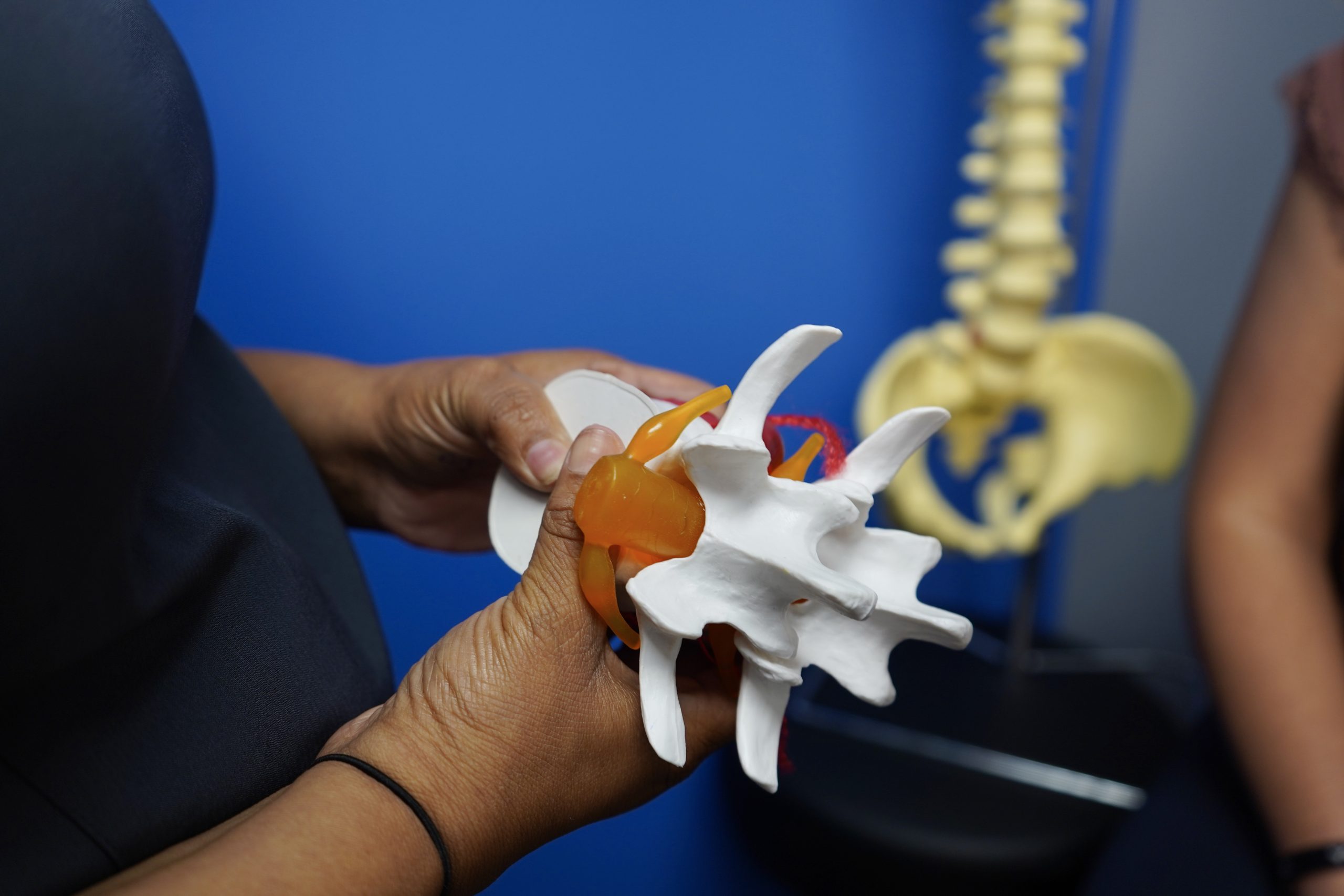
The force of a fall can injure the neck, back, or spine, leading to muscle strains, herniated discs, joint injuries, or nerve irritation.
Symptoms may include:
Many people experience more than one injury after a fall. A comprehensive medical evaluation can help identify both obvious and less visible injuries, allowing treatment to begin as soon as possible.
The steps you take after a slip-and-fall accident can affect both your recovery and your ability to receive appropriate medical care.
Even if your injuries seem minor, some conditions—including concussions and soft tissue injuries—may not cause immediate symptoms.
Seeking prompt medical evaluation can help identify hidden injuries and begin treatment as soon as possible.
If you’re able, move away from the hazard that caused your fall to help prevent additional injuries. If you’ve suffered a serious injury or cannot move safely, call 911 and wait for emergency responders.
If your slip and fall injury occurred in a public space, it’s important to notify the responsible party as soon as possible. Reporting the incident creates documentation of when and where the accident occurred.
If it’s safe to do so, gather information that may be helpful later, including:
Even if you can walk away from the accident, it’s important to be evaluated by a healthcare provider. Some injuries become more painful as swelling and inflammation develop, while others may not be immediately apparent without a medical examination.
Attending follow-up appointments and following your provider’s recommendations can support your recovery, improve healing, and document your progress throughout treatment.
Slip-and-fall accidents can cause a wide range of injuries, from minor sprains to concussions and spinal conditions.
Because more than one area of the body may be affected, a comprehensive evaluation is important to identify both obvious and less visible injuries.
Your provider will discuss how your fall occurred, review your symptoms and medical history, and perform a physical examination.
Depending on your condition, your evaluation may include an assessment of your range of motion, strength, balance, neurological function, and areas of pain or tenderness.
When additional evaluation is needed, diagnostic imaging can help identify injuries and other conditions that may not be apparent on physical examination.
Depending on your symptoms, your provider may recommend:
Many slip-and-fall injuries can be treated with conservative, non-surgical care. Depending on your diagnosis, your personalized treatment plan may include:
Some injuries, including severe ligament tears or spinal conditions, may require evaluation by our spine and orthopedics team.
When surgery is appropriate, our providers coordinate your care to ensure you receive the right treatment at every stage of recovery.
Recovering after a slip-and-fall accident often involves more than treating a single injury. You may need diagnostic imaging, rehabilitation, pain management, or care from multiple providers to support your recovery.
Complete Care makes the process easier by bringing your evaluation, treatment, and rehabilitation together into a single coordinated team.
When you choose Complete Care, you’ll benefit from:
Whether you’ve been injured in a slip-and-fall accident, an auto collision, or a pedestrian or bicycle accident involving a motor vehicle, the team at Complete Care is committed to helping you recover as safely and efficiently as possible.
Our patient-centered approach ensures every provider is working toward the same treatment plan, helping you move forward with confidence.
Slip-and-fall accidents commonly cause sprains, strains, concussions, back and neck injuries, and other soft tissue injuries. Depending on how you land, multiple areas of the body may be injured simultaneously.
Yes. Some injuries, including concussions, sprains and strains, may not cause immediate symptoms. Pain, swelling, stiffness and other symptoms can develop over several hours or days, making prompt medical evaluation important.
No. Complete Care does not treat broken bones.
If you have severe pain, significant swelling, visible deformity, an inability to use or bear weight on the injured area or another reason to suspect a fracture, go to the nearest emergency room.
If a fracture is identified during your evaluation at Complete Care, we will refer you to an appropriate specialist for treatment.
Every situation is different. Some people choose to speak with an attorney to better understand their legal options after a slip-and-fall accident.
Regardless of whether you pursue a claim, seeking prompt medical care should be your first priority to diagnose your injuries and begin appropriate treatment.
It’s best to seek medical evaluation as soon as possible after a slip-and-fall accident, even if your injuries seem minor. Early evaluation can help identify injuries that may not be immediately apparent and allow treatment to begin before symptoms worsen.
Disclaimer: This content is for informational purposes only and is not medical advice. If your injury is a medical emergency, call 911 or go to the nearest emergency room
A slip-and-fall injury can affect your mobility, comfort, and daily routine, even if symptoms don’t appear right away.
Early evaluation can help identify hidden injuries, begin treatment, and support a safer recovery.
Whether you’ve experienced a minor fall or a more serious accident, Complete Care is here to provide the coordinated care you need every step of the way.