Traumatic brain injury (TBI) after a car accident

Car accidents are a leading cause of traumatic brain injury, and a direct blow to the head or loss of consciousness is not required.

The sudden deceleration and rotational forces of a collision can cause the brain to move within the skull, damaging tissue and disrupting neurological function.

Complete Care provides advanced TBI evaluation, including DTI imaging and chiropractic neurology, for head and neurological injuries at 30+ Central Florida locations.

What is a traumatic brain injury (TBI)?

A traumatic brain injury occurs when an external force disrupts normal brain function.

In car accidents, that force is typically the sudden deceleration of the vehicle, which causes the brain to shift, rotate, or impact the interior of the skull, even when the head never makes contact with a surface.

TBI exists on a spectrum from mild to severe. The majority of car accident TBIs fall into the mild to moderate range, but “mild” is a clinical classification, not a description of the patient’s experience. Mild TBI can produce significant, lasting symptoms that affect daily function, work, and quality of life.

Mild TBI (concussion)

Mild TBI, commonly called a concussion, is the most frequent type of brain injury in car accidents. It involves a brief disruption of normal brain function without structural damage visible on standard imaging.

Symptoms include headache, dizziness, brain fog, difficulty concentrating, memory lapses, irritability, and sensitivity to light and sound. Symptoms may appear immediately or develop hours to days after the accident.

Moderate TBI

Moderate TBI involves a longer disruption of consciousness — typically between 30 minutes and 24 hours — and may produce more pronounced cognitive, physical, and behavioral symptoms.

Structural changes may be visible on advanced imaging.

Recovery timelines are longer and typically require coordinated, multidisciplinary care.

Severe TBI

Severe TBI involves extended loss of consciousness, significant structural brain damage, and requires emergency medical care.

Patients with severe TBI should be evaluated in an emergency setting immediately.

Complete Care treats patients with mild to moderate TBI, including those managing ongoing symptoms following initial emergency evaluation.

What are the symptoms of TBI after a car accident?

TBI symptoms vary by severity and by individual, and many don’t appear until hours or days after the collision.

If you’ve been in a car accident and experience any of the following, a neurological evaluation is warranted.

Cognitive symptoms:

  • Confusion or disorientation immediately after the accident
  • Memory loss — not remembering the accident or events around it
  • Difficulty concentrating or following conversations
  • Slowed thinking or mental fatigue
  • Brain fog that persists beyond the first few days

Physical symptoms:

  • Headache ranging from mild to severe
  • Dizziness or balance problems
  • Nausea or vomiting
  • Sensitivity to light or sound
  • Blurred or double vision
  • Ringing in the ears

Emotional and behavioral symptoms:

  • Irritability or mood swings without a clear cause
  • Anxiety or increased emotional sensitivity
  • Depression or a persistent low mood
  • Feeling unlike yourself in ways that are hard to explain

Sleep-related symptoms:

  • Difficulty falling or staying asleep
  • Sleeping significantly more than usual
  • Fatigue that doesn’t improve with rest

Symptoms may begin immediately after the accident or develop gradually in the 24 to 72 hours following impact.

Delayed onset is common — don’t wait for symptoms to worsen before seeking evaluation.

How is TBI from a car accident diagnosed?

Accurate TBI diagnosis is one of the most challenging aspects of post-accident care — and one of the areas where Complete Care’s capabilities are most significant.

Standard CT scans and conventional MRI are effective for identifying severe structural damage but frequently miss the white matter tract injuries and microhemorrhages associated with mild and moderate TBI.

A patient can have a normal CT scan result and still have a clinically significant brain injury.

At Complete Care, TBI evaluation begins with a comprehensive neurological assessment by a chiropractic neurology provider,      including cognitive testing, balance and coordination evaluation, reflex assessment, and sensory testing designed to identify neurological dysfunction that standard exams may not detect.

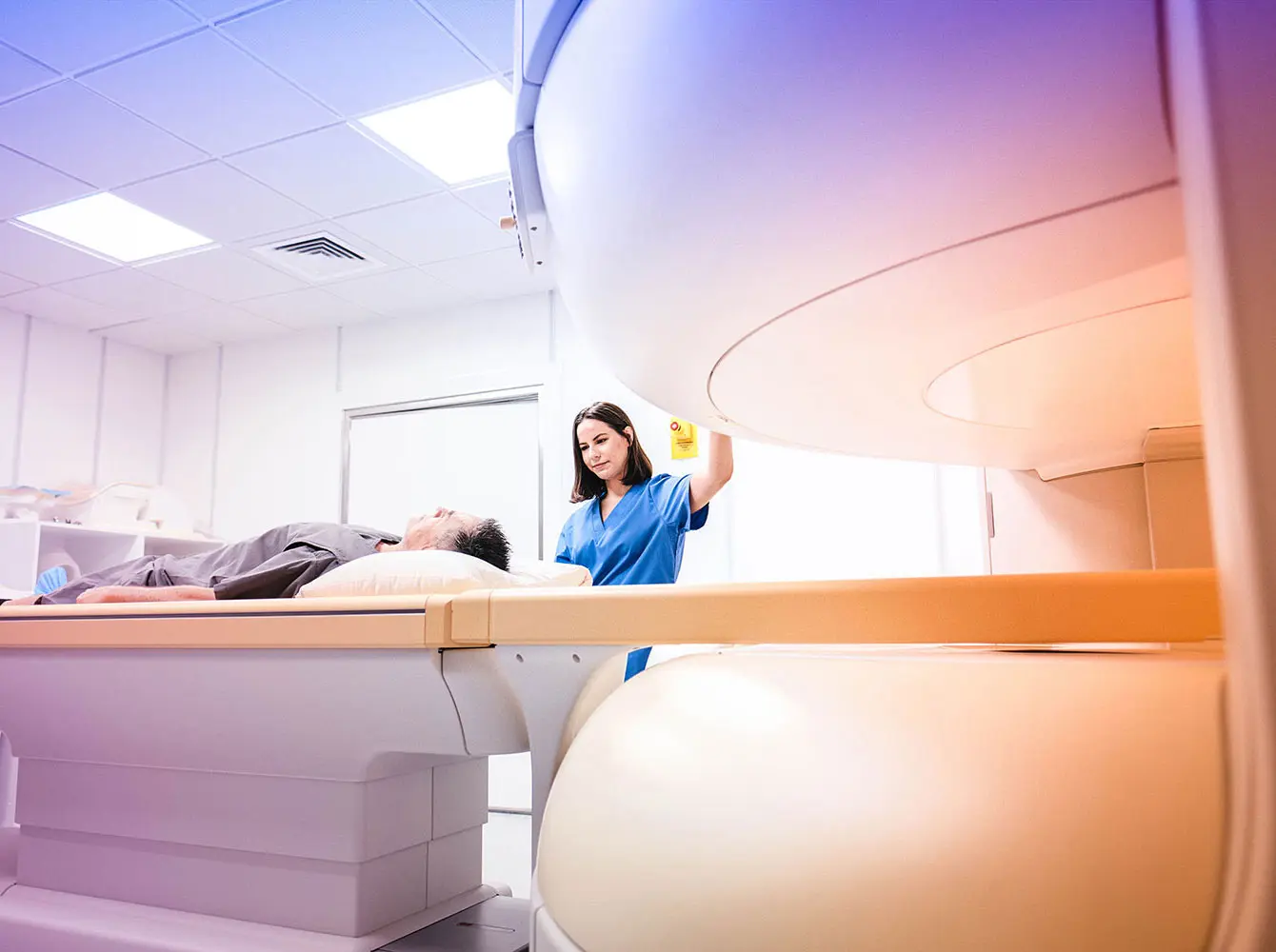
When advanced imaging is indicated, Complete Care’s accredited facilities offer DTI and DT-MRI imaging — diffusion tensor imaging that maps the brain’s white matter tracts and can identify damage invisible on standard MRI.

Susceptibility-weighted imaging (SWI) is also available to detect microhemorrhages associated with traumatic brain injury. All diagnostic imaging is performed only when medically necessary.

How is TBI treated after a car accident?

TBI treatment at Complete Care is individualized, progressive, and coordinated across the specialties most relevant to the patient’s specific presentation.

There is no one-size-fits-all protocol — each treatment plan is built around the patient’s neurological findings, symptom profile, and recovery goals.

Neurological evaluation and monitoring

TBI recovery is not linear. Symptoms can fluctuate, new symptoms can emerge, and the trajectory of recovery varies significantly between patients.

Regular neurological evaluation allows Complete Care’s providers to track progress, adjust treatment, and identify any signs of post-concussion syndrome, the persistence of TBI symptoms beyond the expected recovery window, before it becomes entrenched.

woman getting chiropractic treatment on her neck

Chiropractic neurology care

Chiropractic neurology is a primary treatment modality for TBI at Complete Care.

Chiropractic neurologists are trained to assess and treat neurological dysfunction resulting from trauma, including cognitive symptoms, vestibular disturbance, visual processing issues, and sensory sensitivity.

Concussion treatment at Complete Care incorporates cognitive rest protocols, vestibular rehabilitation, and structured return-to-activity planning tailored to the patient’s recovery stage.

Mental health support after TBI

Post-traumatic stress disorder (PTSD), depression, and anxiety are common sequelae of traumatic brain injury.

Mental health services at Complete Care are available for patients managing the emotional and psychological impact of a traumatic accident and brain injury.

Mental health support is delivered via telehealth and integrated into the patient’s overall recovery plan, so it doesn’t require a separate referral or provider relationship.

Related neurological conditions

TBI can also produce neuropathy and nerve damage, including peripheral nerve symptoms such as numbness, tingling, and weakness, that require concurrent evaluation and treatment alongside the neurological injury.

When should I go to the ER for a possible TBI after an accident?

TBI is a serious injury, and some symptoms require immediate emergency evaluation.

Always call 911 or go to the nearest emergency room immediately if you or someone with you experiences:

  • Loss of consciousness, even briefly
  • Repeated vomiting following the accident
  • Seizure
  • One pupil noticeably larger than the other
  • Slurred speech or inability to recognize people or surroundings
  • Weakness or numbness on one side of the body
  • Worsening headache that does not respond to rest
  • Clear fluid draining from the nose or ears

Come to Complete Care for:

  • Mild to moderate headache following a collision
  • Brain fog, difficulty concentrating, or memory lapses
  • Dizziness or balance issues without emergency warning signs
  • Mood changes, irritability, or sleep disruption after an accident
  • Sensitivity to light or sound
  • Neurological symptoms that developed hours or days after the accident
  • Ongoing symptoms following prior ER evaluation or concussion diagnosis

Same-day appointments are available — call 844.699.2273.

Frequently asked questions

Yes. A direct blow to the head is not required for a traumatic brain injury.

The sudden deceleration of a vehicle in a collision causes the brain to move within the skull — rotating, shifting, and impacting the interior cranial wall — without any external head contact.

This mechanism, known as coup-contrecoup injury, can cause significant neurological disruption even in accidents where the head appears uninjured.

TBI car accident cases in Florida frequently involve patients who never struck their head on any surface.

It depends on the severity of the injury and the speed of treatment.

Mild TBI symptoms typically resolve within a few weeks with appropriate care.

When symptoms persist beyond three months, the diagnosis shifts to post-concussion syndrome — a condition that can last significantly longer without targeted neurological treatment.

Moderate TBI involves a longer recovery timeline and may require months of coordinated care.

Early evaluation and consistent treatment are the most significant factors in TBI outcomes. If your symptoms have persisted or worsened since your accident, come in for a neurological evaluation.

DTI (diffusion tensor imaging) is an advanced MRI technique that maps the brain’s white matter tracts by tracking the movement of water molecules along nerve fibers.

When white matter tracts are damaged by trauma, the normal pattern of water diffusion is disrupted in ways that are visible on DTI but not on conventional MRI or CT.

For patients with mild TBI auto accident injuries whose symptoms don’t match their standard imaging results, DTI provides objective evidence of brain injury that standard imaging misses.

Complete Care’s accredited imaging facilities offer DTI and DT-MRI for patients with TBI and post-concussion syndrome.

In most cases, yes. Florida’s personal injury protection (PIP) insurance covers medically necessary treatment for injuries sustained in a car accident, including neurological evaluation, advanced imaging such as DTI, and ongoing TBI treatment.

To access your full PIP benefits, Florida law requires that you seek care within 14 days of the accident.

Complete Care accepts PIP coverage and helps patients understand their benefits before care begins.

A concussion is a type of traumatic brain injury — specifically classified as a mild TBI.

All concussions are TBIs, but not all TBIs are concussions.

Moderate and severe TBIs involve more significant neurological disruption, longer periods of altered consciousness, and, in some cases, structural damage visible on imaging.

The distinction matters clinically because it guides treatment intensity, recovery expectations, and the type of evaluation needed.

Both are evaluated and treated at Complete Care.

Find a Clinic Near You

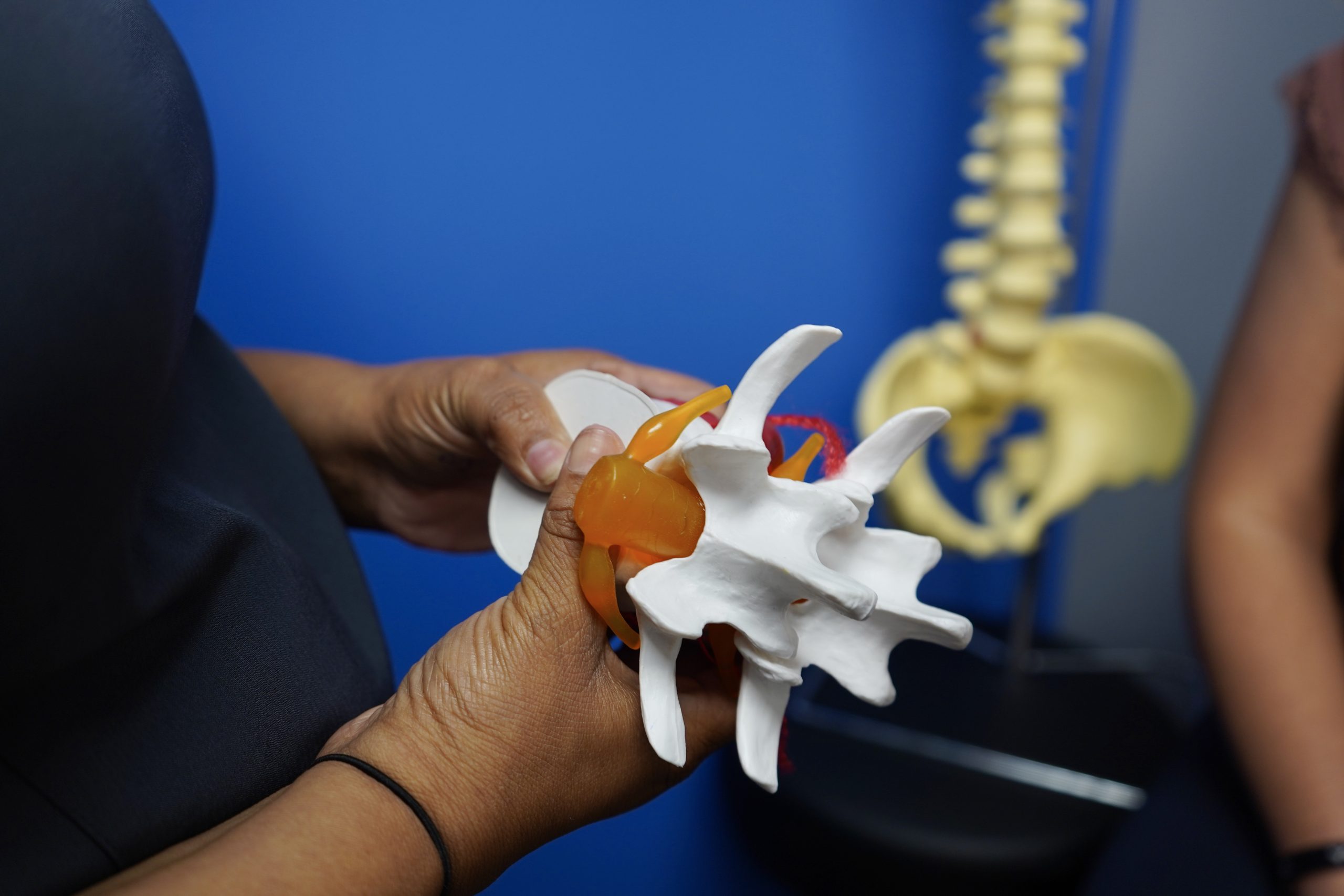
a chiropractor holding a model of a herniated disc
Get in Touch

TBI symptoms after a car accident shouldn’t wait

TBI symptoms after a car accident deserve a thorough neurological evaluation, not a wait-and-see approach. Early evaluation leads to better outcomes.

Complete Care offers same-day appointments for a full range of auto accident injuries at 30+ Central Florida locations, with no referral needed.

Referring physicians and attorneys can also access clinical outcome data and imaging methodology through our clinical whitepapers.