Extremity and joint injuries from car accidents

Shoulder, knee, elbow, wrist and hand, hip, ankle, and foot injuries are among the most common — and most commonly underestimated — car accident injuries.

Symptoms often don’t appear at the scene.

Complete Care provides same-day evaluation and treatment for extremity and joint injuries at 30+ Central Florida locations, with no referral needed.

What extremity and joint injuries are common after a car accident?

The force of a collision affects more than the spine.

Arms, legs, and joints absorb significant impact during an accident — from bracing against the steering wheel, dashboard, or door, from seatbelt forces across the shoulder and hip, and from the body’s instinctive reaction to brace for impact.

Extremity and joint injuries are frequently overlooked at the accident scene, particularly when spinal or head injuries are also present.

Complete Care treats six primary extremity and joint injury areas:

Shoulder injuries

The shoulder is one of the most vulnerable joints in a car accident.

Impact with the seatbelt, airbag, or door — or the instinctive bracing of arms against the steering wheel — can cause rotator cuff tears, labral damage, shoulder impingement, and soft tissue injuries.

Shoulder injuries from auto accidents range from mild strains to structural damage requiring orthopedic evaluation.

Knee injuries

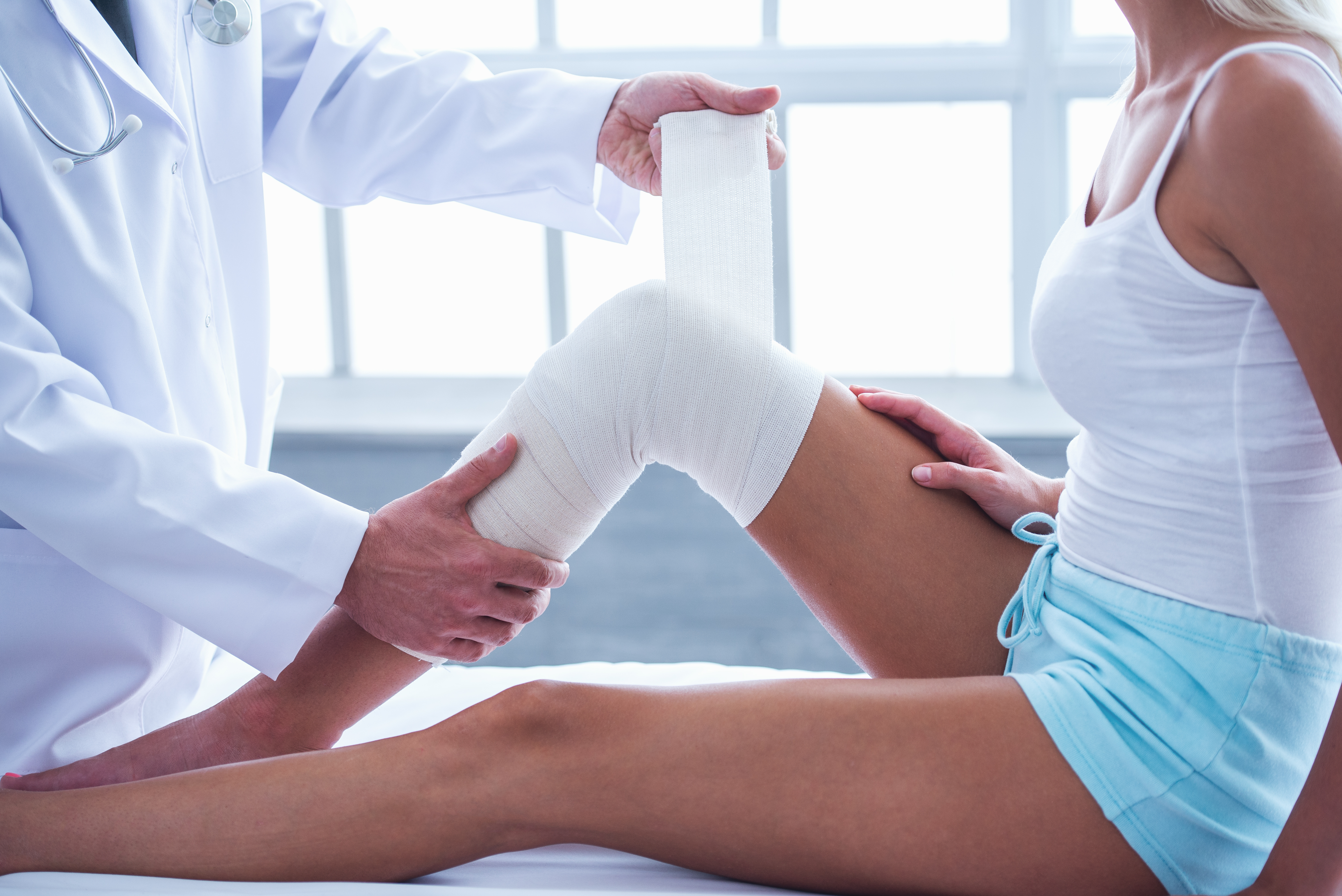
The knee can strike the dashboard or door panel during a collision, causing meniscus tears, ligament sprains or tears, and soft tissue damage.

Knee injuries from car accidents often involve the ACL, MCL, or meniscus and may not produce significant pain until hours or days after impact.

Elbow injuries

Bracing against the steering wheel, door, or center console during a collision puts sudden, concentrated force on the elbow joint.

Elbow injuries from auto accidents can include fractures, dislocations, nerve impingement, and soft tissue trauma — injuries that are easy to dismiss initially but can limit function significantly without proper care.

Wrist & hand injuries

Hands and wrists are significantly impacted during a collision, particularly when a driver grips the steering wheel at impact or a passenger braces against the dashboard.

Wrist and hand injuries can include fractures, sprains, ligament tears, and nerve damage, affecting grip, range of motion, and daily function.

Hip injuries

Hip injuries from car accidents frequently result from seatbelt compression forces or direct impact with the door or center console.

Hip injuries can include labral tears, hip flexor strains, bursitis, and soft tissue damage — conditions that can cause significant pain with walking, sitting, and daily movement if left untreated.

Ankle & foot injuries

The feet and ankles are often pressed hard against the floor pedals at the moment of impact, and the resulting force can cause fractures, sprains, ligament tears, and tendon damage.

Ankle and foot injuries from auto accidents are frequently missed in the immediate aftermath of a collision, particularly when more obvious injuries are present.

Why are extremity injuries easy to miss after a car accident?

Joint and extremity injuries are underdiagnosed after car accidents for several reasons — and the consequences of missing them can significantly delay recovery.

At the scene of an accident, adrenaline suppresses pain signals. An injury that will cause significant pain and limited mobility the following day may feel like minor soreness in the first hour. By the time the adrenaline response subsides, many patients have already left the scene without seeking care.

Soft tissue injuries to joints, including ligament tears, tendon damage, and cartilage injuries, also don’t always appear on standard X-rays. Without MRI or advanced imaging, these injuries can go undetected even after an initial evaluation.

At Complete Care, diagnostic imaging and X-rays, including wide-bore MRI, are available on-site and performed when medically necessary to get a complete picture of the injury.

If you’ve been in an accident and have joint pain, stiffness, swelling, or reduced range of motion, even if it started days later, a thorough evaluation is the right next step.

How does Complete Care treat extremity and joint injuries?

Complete Care’s approach to extremity and joint injuries follows the same integrated model as all injury care — every specialist needed for evaluation and treatment is available within one coordinated system.

Care begins with a full physical evaluation of the affected joint, including assessment of range of motion, strength, swelling, and neurological function.

When imaging is needed, diagnostic imaging is available on-site.

From there, treatment is built around the specific injury and the patient’s recovery goals. Treatment may include:

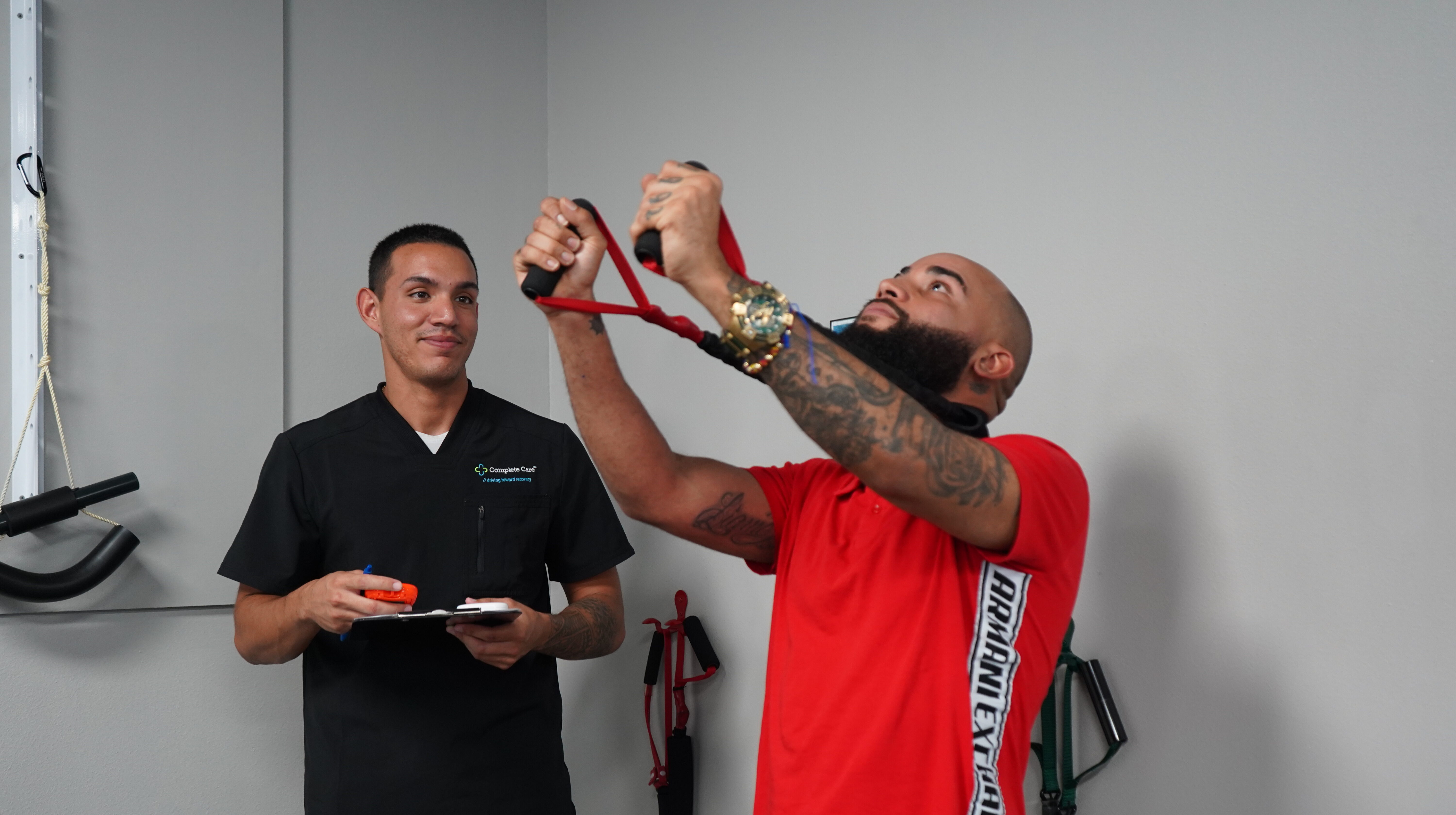
  • Injury care and rehabilitation to restore strength, mobility, and function through active, goal-driven recovery
  • Chiropractic care to address alignment issues that affect joint function and recovery
  • Spine and orthopedic injury care for patients with structural damage to joints requiring orthopedic evaluation or surgical consultation
  • Interventional pain management when conservative care needs additional support

The goal is full functional recovery — not just pain management. Patients work with their care team to rebuild the strength and mobility needed to return to the activities and daily life they had before the accident. 

Same-day appointments are available at all 30+ locations. Call us at (407) 554-5178 or walk in.

When should I go to the ER for a joint injury after an accident?

Most extremity and joint injuries from car accidents do not require emergency care, but some do. Here is a general guide.

Always call 911 if you believe you are in immediate danger.

Go to the emergency room if you are experiencing:

  • Visible deformity or suspected fracture of a joint or limb
  • A joint that is locked, dislocated, or completely unable to bear weight
  • Severe swelling that developed within minutes of the accident
  • An open wound near a joint
  • Complete loss of sensation or movement in a limb

Come to Complete Care for:

  • Joint pain or stiffness that developed after the accident
  • Swelling without visible deformity
  • Reduced range of motion in a shoulder, knee, hip, elbow, wrist, or ankle
  • Delayed-onset pain that appeared hours or days after the collision
  • Follow-up evaluation and rehabilitation after an ER visit

Same-day appointments are available — call (407) 554-5178.

Frequently asked questions

Yes. Shoulder injuries frequently occur in accidents where the airbag did not deploy.

The seatbelt exerts significant force across the shoulder during a collision, and the instinctive bracing of the arms against the steering wheel or dashboard can cause rotator cuff tears, labral damage, and soft-tissue injuries, regardless of airbag deployment.

If you have shoulder pain after an accident, get evaluated, even in a low-speed collision.

Joint pain from a car accident can appear immediately or develop over the following 24 to 72 hours.

 Adrenaline at the scene of an accident commonly masks pain signals, and soft tissue inflammation in joints often builds gradually after impact. It is not uncommon for patients to feel fine immediately after a collision and wake up the next morning with significant pain and stiffness in a knee, shoulder, hip, or wrist.

Walk-ins are welcome at all Complete Care locations if symptoms develop after the accident.

Yes. Complete Care provides evaluation and treatment for extremity and joint injuries resulting from slip-and-fall incidents and auto accidents.

The same integrated, personalized care model applies — same-day access, all specialties under one roof, and a recovery plan built around your specific injury.

Not necessarily. Many joint injuries from car accidents, including ligament sprains, soft tissue damage, and mild to moderate tears, respond well to conservative care, including rehabilitation, chiropractic treatment, and pain management.

For injuries that do require surgical evaluation, Complete Care’s spine and orthopedic team can provide consultation and surgical coordination within the same system.

Your care team will discuss all options with you based on your specific diagnosis.

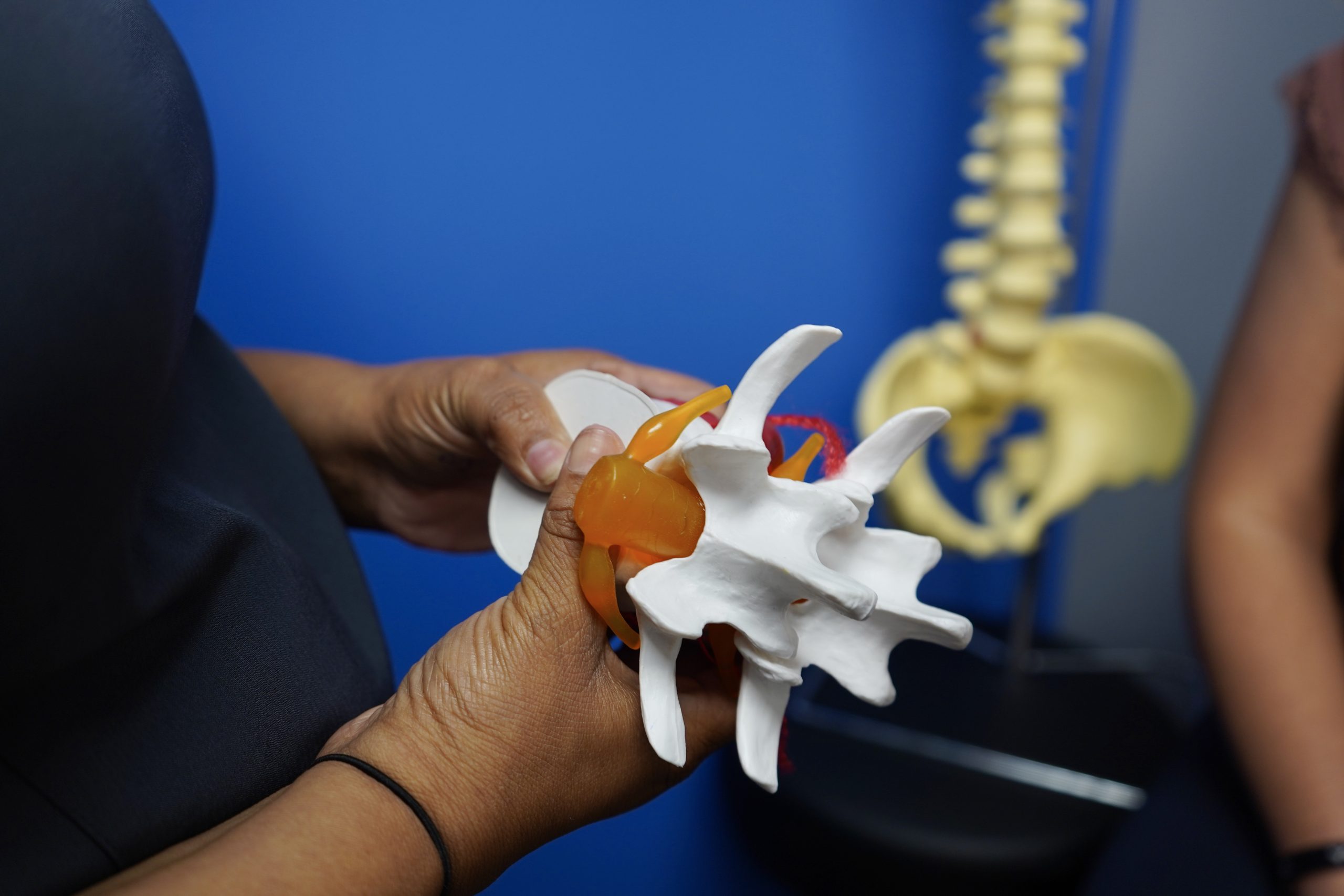
a chiropractor holding a model of a herniated disc
Get in Touch

Joint pain after an accident is worth getting checked

Joint and extremity injuries from car accidents are easy to underestimate — and easy to treat when caught early. 

Complete Care offers same-day appointments and walk-ins at 30+ Central Florida locations, with no referral needed.