Sciatica and radiculopathy after a car accident

Car accidents are one of the most common causes of sciatica and radiculopathy, and most patients don’t realize the connection until days or weeks after the collision.

The sudden force of a crash can herniate a disc or cause spinal misalignment that compresses the sciatic nerve, producing radiating pain, numbness, and weakness in the lower back, buttocks, and leg.

Complete Care provides same-day evaluation for spinal and neck injuries at 30+ Central Florida locations, with no referral needed.

Call Now   Request an Appointment


What is sciatica, and how does a car accident cause it?

Sciatica is pain that radiates along the path of the sciatic nerve — the longest nerve in the body — which runs from the lower back through the hips, buttocks, and down each leg.

Radiculopathy is the broader medical term for nerve root compression or irritation anywhere along the spine, of which sciatica is the most common form.

During a car accident, the sudden force applied to the spine can compress or irritate the sciatic nerve in several ways. The impact can herniate a disc, cause spinal misalignment, or trigger inflammation that directly compresses the nerve root.

Symptoms often don’t appear at the scene. Disc changes and inflammation that compress the sciatic nerve often develop gradually, so radiating leg pain or numbness may not appear until days or weeks after the collision.

What spinal conditions cause sciatica after a car accident?

The most common underlying causes of post-accident sciatica include herniated and bulging discs, which can press directly on the sciatic nerve root, and facet joint syndrome, where inflammation and joint damage from trauma contribute to nerve compression.

Spinal misalignment resulting from the force of the collision can produce the same effect.

What are the symptoms of sciatica after a car accident?

Sciatic nerve symptoms are distinct from general back pain and tend to follow a recognizable pattern.

Sciatic nerve injury from an auto accident is one of the most commonly missed post-collision diagnoses — in part because symptoms rarely appear at the scene.

Common symptoms of sciatica after a car accident include:

  • Radiating pain that travels from the lower back through the buttocks and down one leg, sometimes reaching the foot
  • Numbness or tingling in the leg, calf, or foot on the affected side
  • A sharp, burning, or electric sensation along the nerve path
  • Muscle weakness in the affected leg, including difficulty lifting the foot or leg, or a feeling of heaviness
  • Pain that worsens with sitting, particularly for extended periods
  • Difficulty standing up from a seated position
  • Pain that improves when walking or lying down but returns when still

Symptoms may begin within hours of the accident or develop gradually over days to weeks as spinal inflammation and disc changes progress.

Don’t dismiss leg pain after a car accident, foot numbness, or radiating discomfort as unrelated to your collision, especially if it started in the days following impact.

Sciatica from a car accident is typically unilateral — affecting one leg rather than both.

If you are experiencing bilateral leg symptoms, significant weakness, or any loss of bladder or bowel control, seek emergency care immediately.

How is sciatica from a car accident diagnosed?

Accurate diagnosis is essential for effective treatment.

At Complete Care, sciatica evaluation begins with a thorough physical and neurological exam assessing reflexes, sensation, muscle strength, and range of motion to identify signs of nerve root involvement and determine which level of the spine is affected.

Standard X-rays can rule out fractures and assess spinal alignment, but do not show soft tissue, disc condition, or nerve compression.

For patients with radiating symptoms, diagnostic imaging, including MRI, is the appropriate tool, providing a detailed view of the discs, nerve roots, and surrounding structures to confirm the source of compression and guide treatment decisions.

Complete Care’s accredited imaging facilities offer on-site MRI, available when medically necessary, so evaluation and imaging can happen within the same system without the delay of outside referrals.

How is sciatica treated after a car accident?

Complete Care’s approach to sciatica treatment is built around the same active recovery model that guides all injury care — the goal is not just pain relief, but restoring function, strength, and independence.

Treatment begins conservatively and escalates only when needed.

Chiropractic care for sciatica

Chiropractic care is a primary treatment for sciatica resulting from spinal misalignment and disc involvement.

A chiropractic adjustment helps restore proper spinal alignment, reduce pressure on the affected nerve root, and decrease inflammation in the surrounding tissues.

For many patients with post-accident sciatica, consistent chiropractic care produces significant improvement in radiating pain and mobility.

Rehabilitation and physiotherapy

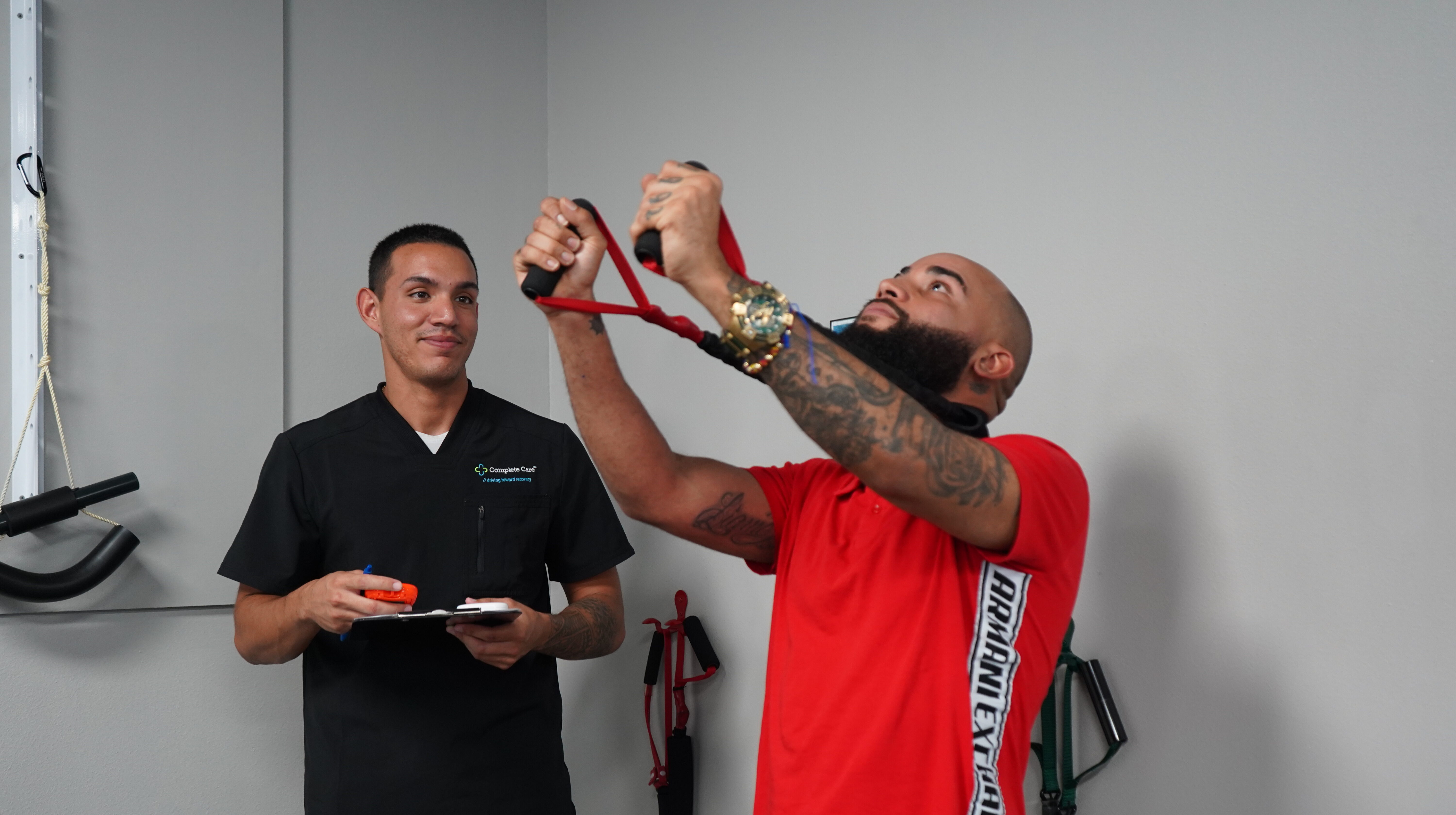
Injury care and rehabilitation addresses the muscular and functional component of sciatic nerve recovery.

Targeted rehabilitation builds core strength, improves spinal stability, and reduces the mechanical load on the affected nerve root — supporting long-term recovery and reducing the likelihood of recurrence.

Patients work actively toward functional recovery goals, not just symptom management.

Interventional pain management

When conservative care alone is not sufficient, interventional pain management may be introduced.

Epidural steroid injections can directly reduce nerve root inflammation, providing relief that allows patients to engage more fully in rehabilitation.

For patients with significant structural involvement, spine and orthopedic injury care is available within the same system for specialist evaluation and, when necessary, surgical consultation.


When should I go to the ER for sciatica symptoms after an accident?

Most sciatica symptoms from a car accident do not require emergency care, but some do.

Go to the nearest emergency room or call 911 immediately if you experience:

  • Loss of bladder or bowel control
  • Saddle anesthesia — numbness or loss of sensation in the groin, inner thighs, or genitals
  • Sudden severe weakness in both legs
  • Rapid worsening of symptoms over hours

Come to Complete Care for:

  • Radiating pain from the lower back into one leg or foot
  • Numbness or tingling in the leg, calf, or foot
  • Lower back pain that worsens with sitting or standing
  • Leg pain or numbness that developed days after a car accident
  • Weakness in one leg without emergency warning signs

Same-day appointments are available — call (407) 554-5178.

Frequently asked questions

Yes. Sciatica can result from low-speed collisions as well as high-impact crashes. Even a minor accident generates enough force to cause disc displacement or spinal misalignment that compresses the sciatic nerve.

The severity of the collision does not predict the severity of the nerve injury — some patients experience significant sciatic symptoms following accidents with minimal vehicle damage.

If you have radiating leg pain after any car accident, get evaluated.

It depends on the underlying cause and how quickly treatment begins.

Sciatica from mild disc irritation or spinal misalignment may improve within a few weeks with chiropractic care and rehabilitation.

More significant disc herniation or nerve compression may take several months to resolve and may require a combination of conservative care and interventional pain management.

Without treatment, sciatica from a car accident can become chronic. Early evaluation gives your care team the best opportunity to address the cause before the condition progresses.

Florida’s personal injury protection (PIP) insurance covers medically necessary treatment for injuries sustained in a car accident, including lower back pain radiating to the leg — a hallmark symptom of car accident-related sciatica in Florida.

To access your full PIP benefits, Florida law requires that you seek care within 14 days of the accident.

Complete Care accepts PIP coverage and helps patients understand their benefits before care begins.

Radiculopathy is the medical term for any condition in which a spinal nerve root is compressed, irritated, or damaged, causing pain, numbness, tingling, or weakness that radiates along the nerve’s path.

Sciatica is a specific type of radiculopathy affecting the sciatic nerve, which originates in the lower lumbar spine.

All sciatica is radiculopathy, but not all radiculopathy is sciatica — nerve root compression can occur at any level of the spine, producing symptoms in the neck, arms, or legs depending on the location.

Both conditions are evaluated and treated at Complete Care.

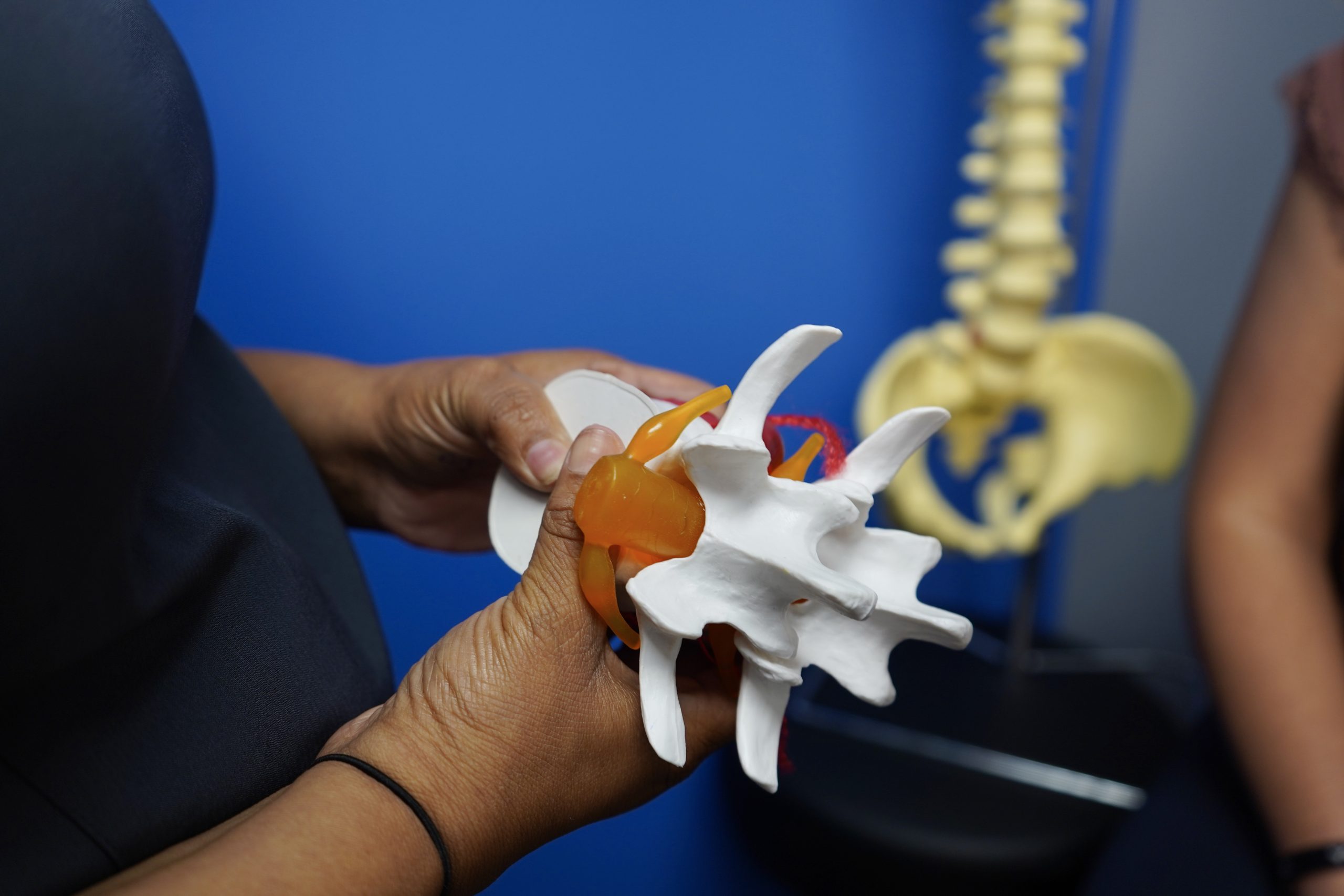
a chiropractor holding a model of a herniated disc
Get in Touch

Car accident? Your spine can’t wait.

Radiating leg pain, numbness, or lower back pain after a car accident may be sciatica, and it won’t resolve on its own without the right care.

Complete Care offers same-day evaluation and treatment for auto accident injuries at 30+ Central Florida locations, with no referral needed.

Â