
July 16, 2024
Last Updated: January 9, 2026
Medical Reviewer: Alex Jones, DC
Headaches are common after a car accident. You can develop them from impact-related head injuries and from injuries, such as whiplash, that don’t cause you to hit your head. Knowing whether your headaches are related to a recent accident allows you to find the relief you need. In this blog, we’ll review various types of headaches that might develop after an accident and when you should be concerned enough to see a provider.
Medical professionals have identified many types of headaches. Below are just a few that could be caused by or related to car accident injuries.
Tension headaches (also called tension-type headaches) are the most common type of headache people experience. Although they have many causes, ranging from eye strain and fatigue to caffeine withdrawal and clenching your jaw, they can be related to stress and depression, both of which can develop after a car accident.
Tension headaches cause a dull pain that often occurs on both sides of the head. They can be accompanied by feelings of tightness in the head or neck but usually aren’t disabling.
Migraines are more than just a “bad headache.” These disabling headaches can last anywhere from four to 72 hours, causing nausea, sensitivity to light and sound, and throbbing pain that usually occurs on only one side of the head.
While the exact cause of migraines isn’t always known, emotional stress and anxiety can trigger them. Head injuries can also trigger a rare type of migraine called hemiplegic migraine, which causes intense head pain along with one-sided numbness, weakness or paralysis.
Migraines can be episodic, occurring only once in a while. Your provider may diagnose you with chronic migraines if they occur 15 days a month for at least three months.
Cervicogenic headaches are related to neck injuries. The headache pain is referred, meaning it starts somewhere other than where it is felt. In this case, the pain starts in the neck and spreads to the head. They can develop when soft tissues, bones or nerves in the neck become injured.
Pain caused by a cervicogenic headache typically occurs on only one side of the head. It often begins in the neck and spreads upward, sometimes to the front of the head and sometimes behind the eye. Although neck pain doesn’t always occur with these headaches, people who have them often also have limited range of motion in the neck, and the pain may get worse if they move their neck in a certain direction or touch specific parts of the neck.
Whiplash is a soft tissue injury that strains the neck muscles. It can cause headaches as a single symptom or along with other symptoms, such as neck pain, changes in behavior and mood, or problems with thinking and memory. Whiplash-related headaches typically develop within seven days of an accident. They can go away within three months or they can become chronic (or “persistent”) if they last longer than that.
Post-traumatic headaches are the most common symptom of a concussion, a common injury in car accidents and other traumas, such as falls. These headaches share many of the same characteristics of migraines, tension headaches and cervicogenic headaches.
A healthcare professional may diagnose you with a post-traumatic headache if it occurs within seven days of experiencing a head or neck trauma, regaining consciousness after a head injury or being able to say you’re in pain after the injury.
Whether caused by a car accident, an underlying health issue or something else, headaches can all look very similar. The best way to know what type you have is to see a healthcare provider.
You should see a provider if you recently had a car accident or experienced a head or neck injury and your headaches:
Providers usually diagnose headaches based on a review of your symptoms and medical history. They’ll ask you questions about when your headaches started, whether you have other symptoms when they occur, whether certain foods, drinks or activities make your symptoms better or worse, and what your lifestyle is like. They might perform a neurological exam, which allows them to check your vision, balance and mental skills, among other things, and order imaging tests to look for underlying causes.
An accurate diagnosis allows your provider to find the treatment that will help you the most. Different types of headaches have different treatments, and if your headache was caused by an injury or trauma, treating the injury may also help alleviate your headaches.
It is very normal to have a headache after a car accident. In fact, headaches related to head or neck injuries and trauma, like the type you might sustain during a crash, are among the most common types of secondary headache disorders (headaches caused by another problem).
However, accidents and injuries can cause many different types of headaches, and it’s not always possible to identify the exact type you have. Your provider can review your symptoms and run various tests to make an accurate diagnosis. Your diagnosis will guide your treatment plan and help you get back to the life you enjoyed before your accident.
If you recently had an accident and developed headaches, the chiropractors and other providers at Complete Care can help you with a natural, non-invasive approach. Request an appointment today at one of our convenient locations in Central Florida.
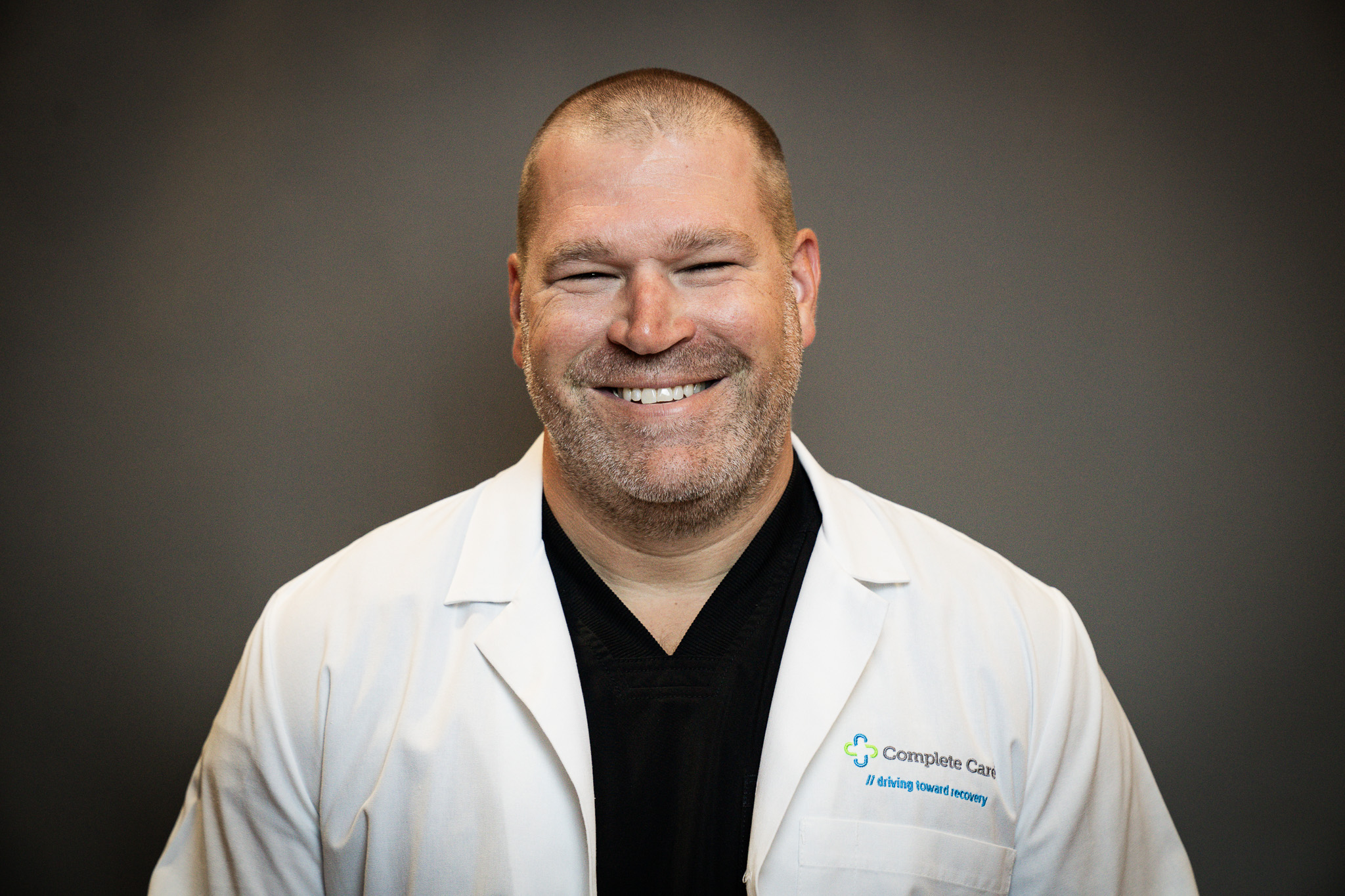
Austin Jones, DC, DACNB, FABVR is a chiropractic neurologist dedicated to helping patients navigate the challenges of recovery with empathy and insight. With a background in brain-based training and a strong interest in functional movement, clinical nutrition, and functional neurology, he takes a whole-person approach to care. Dr. Jones holds a Doctor of Chiropractic from Life University and a bachelor’s degree in business management. He is a Diplomate of the American Board of Chiropractic Neurology, a Fellow of the American Board of Vestibular Rehabilitation, and board-eligible for the Fellowship of the American Board of Brain Injury and Rehabilitation. Outside the clinic, he enjoys coaching his children’s sports teams and staying active with his family.
Education
Certifications


The information provided on this website does not, and is not intended to, constitute legal advice; instead, all information, content, and materials available on this site are for general informational purposes only. Information on this website may not constitute the most up-to-date legal or other information. This website contains links to other third-party websites. Such links are only for the convenience of the reader, user or browser.